
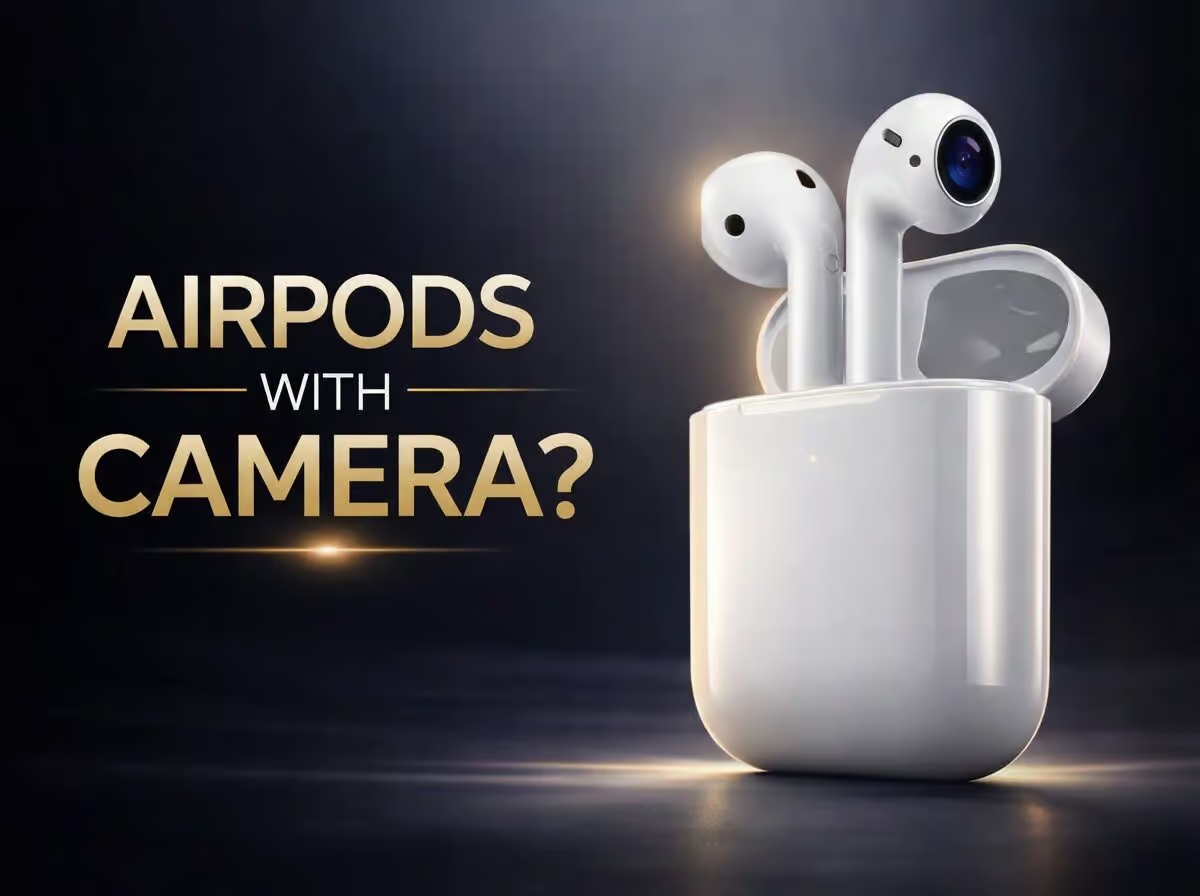
For years, the smartest thing your AirPods could do was cancel noise and track your heart rate. That’s about to change in a significant way. According to a new report from Bloomberg’s Mark Gurman — the journalist with the most consistent Apple track record in the business — Apple has reached the late stages of development for new AirPods with built-in cameras, a significant milestone for what will likely be its first wearable device designed for the AI era.
This isn’t a distant concept anymore. The project has entered a phase where prototypes feature a near-final design and capabilities. Apple’s camera AirPods are real, they’re being actively tested, and they’re moving toward production faster than most people expected.

Where Things Stand: Advanced Testing, Not Far From Production
Apple’s testers are actively using units in the design validation test (DVT) stage — the step that directly precedes production validation testing (PVT) and early mass production.
For context, DVT is the second-to-last step before production, with this phase of testing generally lasting three to six months. The next stage — Production Validation Testing, or PVT — is where devices are manufactured in larger quantities to test assembly procedures, and historically lasts between two and four months for AirPods. Full production generally starts two months before release.
Do the math and you’re looking at a potential launch window somewhere in late 2026 — which lines up with the new Siri, set to be introduced in September with iOS 27, macOS 27, and iPadOS 27. The hardware is ahead of the software, and Apple is waiting for both to be ready before pulling the trigger.
These AirPods have been in development for around four years and are part of a broader wave of AI-centered Apple products, which include a pin/pendant and smart glasses as well. The camera AirPods are further along in development than those.
What the Cameras Actually Do (It’s Not What You Think)
Let’s get this out of the way first: unlike wearable camera-equipped devices like Meta’s smart glasses, the AirPods with cameras are not designed at all for capturing photos or videos. There’s no gallery, no sharing, no content creation angle here whatsoever.
Instead, the cameras capture low-resolution images of the world around the user, powering contextual artificial intelligence. This is part of how smart glasses work too — accumulating visual data that interacts with an AI assistant.
Apple wants users to be able to look at an item and ask Siri questions about it, working similarly to image uploads in chatbot apps. The cameras could also offer reminders based on visual information, and give more detailed turn-by-turn directions by viewing the actual environment around the user.
More concretely: the cameras can provide navigation information, remind people about items on a shopping list when they pass them in a store, and help Siri answer questions about real-world objects.
Think of it as Visual Intelligence — the same feature currently requiring you to point your iPhone camera at something — but running passively through your ears, hands-free, as you move through the world.
Design: What They’ll Look Like
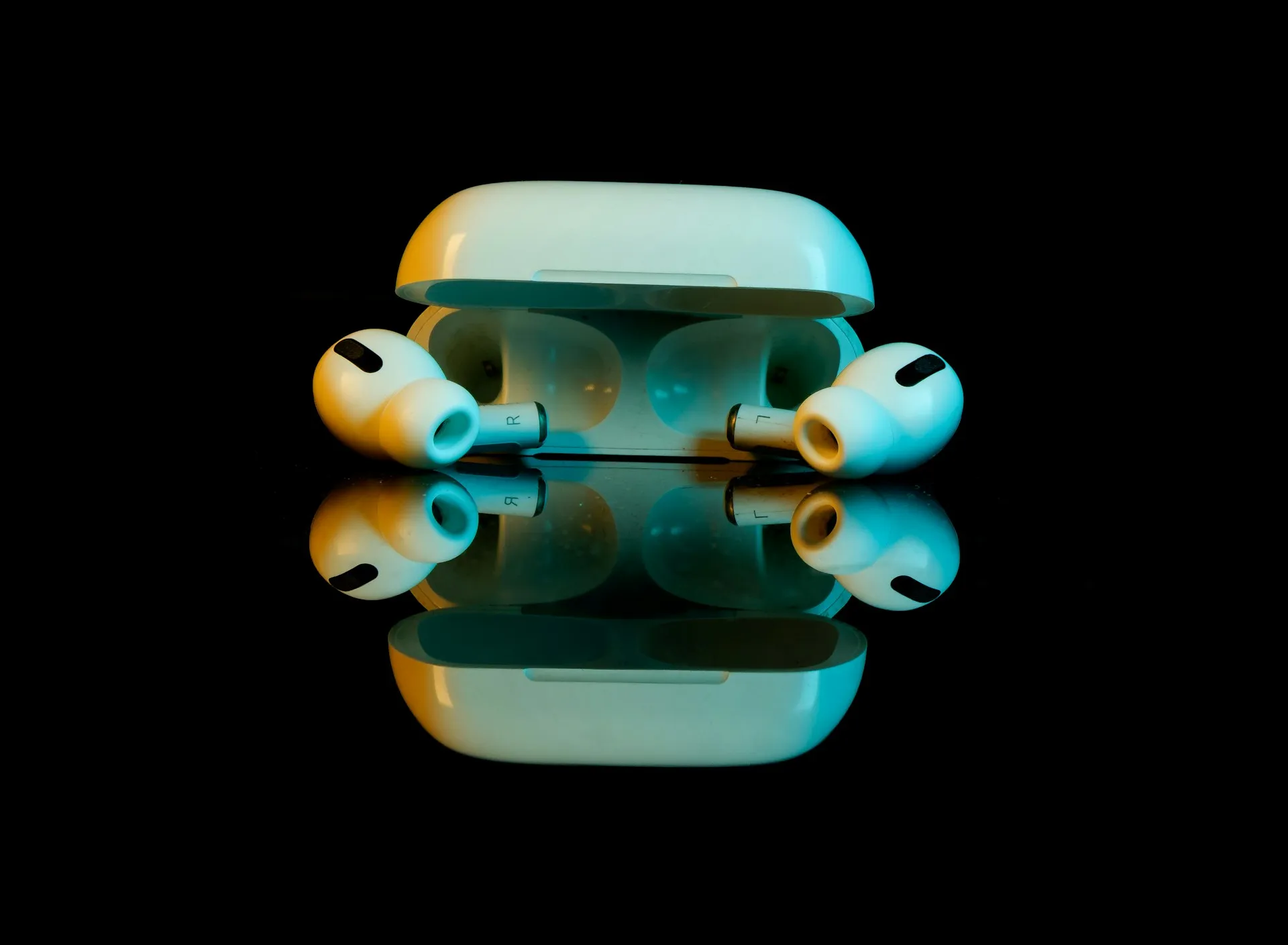
While there will be a longer stem for the camera in each AirPod, the device will otherwise look similar to the AirPods Pro 3. So no dramatic redesign, no sci-fi aesthetic — just a slightly extended stem housing the camera sensor on each bud.
The AirPods with cameras will include a small LED that will turn on when visual data is being fed into the cloud — a transparency feature that acknowledges the obvious privacy concerns of wearing cameras on your ears all day. It’s a small gesture, but an important one.
The development is part of Apple’s broader effort to transform Siri into a multimodal intelligence system capable of interpreting visual surroundings, not just processing voice commands. This shift is increasingly being framed internally as a move toward ambient computing — where devices understand context continuously rather than waiting for user input.

Why Apple Delayed — And What’s Holding Things Up
Apple had planned for a launch as early as the first half of 2026. That launch was postponed due to continued delays impacting Apple’s next-generation version of Siri.
This is the core tension in the whole story. The AirPods hardware is essentially ready. The new Siri is a central component of these AirPods, because that’s what the cameras are for. Shipping camera AirPods with the current version of Siri — which still fumbles basic tasks with some regularity — would be a PR disaster. Apple knows this. So they’re waiting.
Apple could also opt to wait further if it is not satisfied with the quality of the Visual Intelligence features planned for Siri. In other words: the hardware won’t ship until the software is genuinely good enough to justify the product’s existence. That’s the right call, even if it’s a frustrating one for anyone eager to see what these things can do.
Naming: AirPods Ultra? AirPods Pro 4?
It is not yet clear how the new AirPods will fit into Apple’s lineup. Rumors suggest Apple does not intend to brand them as the “AirPods Pro 4,” and they could instead be referred to as the AirPods Ultra, or perhaps AirPods Pro 3 With Cameras.
The naming question matters more than it sounds. “AirPods Ultra” would signal a new product category — a premium tier above Pro, positioned explicitly as Apple’s AI wearable. “AirPods Pro 3 With Cameras” keeps it in the existing lineup but risks underselling the feature set. Either way, expect pricing above the current AirPods Pro, likely in the $299–$349 range given the added hardware complexity.
The Bigger Picture: Apple’s AI Wearable Strategy Is Taking Shape
Zoom out and this is one piece of a much larger bet. Apple is building an entire ecosystem of AI-aware wearables — camera AirPods, smart glasses, a wearable pendant — all feeding into a rebuilt Siri that can see, hear, and understand context the way a person does.
Apple is reportedly expecting strong demand for AirPods with cameras and is working on securing components for mass production. That’s not cautious language. That’s a company that believes it has a hit on its hands, pending the software catching up.
The comparison to Meta’s Ray-Ban smart glasses is inevitable, but the approach is different. Meta’s glasses are visible camera devices — you see them, you know someone’s recording. Apple’s approach puts the cameras in earbuds, which people already wear all day without thinking, making the experience genuinely ambient in a way glasses never quite achieve. Whether that’s more useful or more unsettling probably depends on who you ask.
What to Watch For
The next concrete milestone to track is movement into PVT — Production Validation Testing — which would signal that mass manufacturing is beginning. That’s the point of no return before a product ships. Given the current DVT stage and typical Apple timelines, that could arrive as early as mid-summer 2026, setting up a fall announcement alongside iOS 27.
If Siri is ready, so are the AirPods. That’s the race Apple is running right now — and for the first time in a while, the hardware side is clearly winning.
Excited about camera AirPods, or does the idea of always-on visual AI in your ears give you pause? Drop your take in the comments.